Dental Practice Description for Accessibility
Why Choose Us
8 Reasons to Choose White House Dental Practice
- Dr Amarjit Khambay has led our team of highly trained Dentists, Nurses and staff for well over 25 years. Our warm and friendly team is dedicated to patient care, continuing education, key skills and clinical excellence.
- We provide both NHS and private treatment - the choice is yours! We believe in fixed, transparent pricing.
- Our dental team speak English, Punjabi, Hindi, Gujarati and Persian.
- We are a member of the BDA Good Practice Award Scheme.
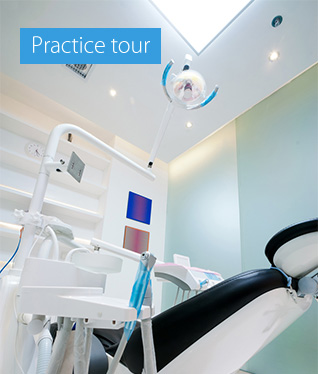
- We provide routine, preventive and general dentistry whilst offering private and cosmetic dentistry options. We cater for the elderly and disabled, and have three ground floor surgeries that are wide enough to accommodate wheelchairs.
- We provide affordable payment solutions including 0% interest free credit.
- Late evening appointments until 8pm are available on Tuesday & Thursday. Saturday appointments are also available from 9am to 4pm.
- We arrange referrals for advanced treatments such as dental implants, extractions and oral surgery, root canal therapy, gum disease, orthodontics and sedation for nervous patients.
Our Dentists
Mr Amarjit Singh Khambay
DGDP(UK) 1992, LDS RCS Eng 1978, BDS Lond 1977
GDC No. 51741
Dr Amarjit Khambay is a dentist by profession and manages The White House Dental Practice which is one of the largest NHS based dental practices that includes a specialist service for the treatment of dental phobics. His contribution to the Dentistry profession has been rewarded in numerous ways.
Amarjit is the only Honorary Life Member of the Anglo-Asian odontological Group (which established the National Centre for Transcultural Oral Health) which he founded as an undergraduate. Amarjit was awarded the Diploma in General Dental Practice by election by the Faculty of General Dental Practitioners at the Royal College of Surgeons of England.
Amarjit has supported numerous charitable activities and contributed generously to community causes. He has also nurtured many young people though personal sponsorship to achieve their full potential. He is also a Trustee for the Drug and Alcohol Action Programme (DAAP), a registered charity, whose aim is to empower communities against addiction.
Amarjit is a highly respected member of the Asian and business communities in the UK.
Dr Devinder Singh Marway
DGDP(UK) 1994, BDS Lpool 1988
GDC No. 63755
Dr Marway qualified in 1988 from the University of Liverpool and joined the White House Dental Practice immediately. He's currently involved in the treatment of nervous patients using sedation and has special interests in endodontics, cosmetic dentistry and dental technology.
In his spare time, he enjoys interior design, photography and gadgets.
Dr Gurdip Kaur Khambay
LDS RCS Eng 1985, BDS Lond 1984
GDC No. 59639
Dr Khambay qualified in 1984 from the Royal London Hospital and joined the White House Dental Practice in 1988. Her special interests are in endodontics and cosmetic dentistry. She is currently attending courses on bleaching and periodontics as well as looking into starting an MSc in periodontics.
In her spare time she raises three children and enjoys sports and reading.
Mr Parikshit Patel
MFGDP(UK) 1994, BDS Dund 1984
GDC No. 58935
Dr Patel qualified in 1984 from the University of Dundee after which he worked in private practice until 1993 when he joined the White House Dental Practice. His special interests are in root canal therapy and cosmetic dentistry. He is currently attending courses on advanced restorative, cosmetic and implant dentistry.
In his spare time he enjoys cricket, golf, fish keeping, house and garden plants.
Mr Harinderpal Singh Gill
BDS Dund 1989
GDC No. 65185
Dr Gill qualified in 1989 from the University of Dundee after which he worked at a general anaesthetic and sedation practice. He has worked at the White House Dental Practice for over 13 years with interests in all aspects of dentistry.
In Harinder's spare time he enjoys reading as well as playing football, tabletennis and tennis.
Mrs Sana Movahedi
BDS Lond 1992
GDC No. 68624
Dr Movahedi qualified in 1992 from Guy's Hospital London after which she spent a year at Guy's, 6 months as an oral surgery house officer and 6 months as a restorative house officer. Since 1993 she has worked full time in general practice and joined the White House Dental Practice in 1996. Her special interests are in restorative and cosmetic dentistry.
Sana also raises two young children which take up all her time!
Mrs Ramandeep Dhindsa
Statutory Exam 2007, BDS Guru Nanak Dev 1998
GDC No. 117082
Dhindsa is a dentist who provides hygiene treatment. She has had general practice experience both abroad and in the UK over the past 10 years.
Outside dentistry, she enjoys reading and music.
Mr Onkar Sihota
BDS Lpool 1991
GDC No. 67181
Dr Sihota qualified in 1992 from the University of Liverpool after which he spent spent time travelling as wel as working. He has worked at the White House Dental Practice since 1997 with special interest in root canal treatment.
In Onkar's spare time he enjoys socialising, playing football and eating tastey food!
Mrs Harpreet Virdi
BDS Lond 1999
GDC no: 76481
Dr Virdi qualified with distinction from King College, London in 1999, having previously also obtained an intercalated Bsc in Biomedical Sciences. She went on to complete her vocational training during which she won a prize for her case study. She has also passed Part I and II of NDEB (America) exams.
She provides hygiene treatment and continues to pursue postgraduate training in this area.
Dr Avtar Singh Pardesi
BDS Lond 2006
GDC no: 103946
Dr Pardesi graduated from King's College London in 2006. He went on to complete his V.T. in Hampshire and chose to continue working in general practice.
He enjoys all aspects of dentistry but in particular aesthetic dentistry and tooth-coloured restorations. He continually pursues post-graduate education and has attended a wide range of courses in the UK, US and Europe.
Mrs Rathi Kulendra Statutory
Statutory Exam 2005
GDC No. 101381
Dr Kulendra qualified from the University of Peradeniya, Sri Lanka.
She passed her IQE exams held by the General Dental Council in 2005.
She enjoys all aspects of dentistry but particularly childrens dentistry and preventive dentistry. Apart from her dental career, Dr Kulendra has worked many years as a teacher. She currently enjoys providing secular as well as spiritual education to children in her spare time.
She has 2 sons.
Our Nurses
Our Support Team
BDA Good Practice Scheme
The White House Dental Practice wants to do the best for their patients. We have been awarded The Good Practice Scheme which helps patients be aware of the nationally agreed standards of good practice. By meeting the requirements of the scheme, we aim to provide the best care for our patients.
As these nationally agreed standards of good practice change, or are added to, the Good Practice Scheme will be amended to include these changes. This means that our dentists taking part in the Scheme will be encouraged to keep up to date and provide the best care for their patients.
To participate in the Scheme the practice will have:
- carefully looked at the service that is provided for patients and compared it against nationally recognised standards of good practice for patient care. There are 96 aspects that have to be checked
- prepared a dossier about the practice to show that they are meeting the Good Practice Scheme's requirements. The BDA ask to see parts of the dossier before a practice joins the Scheme
- agreed to let Good Practice Scheme inspectors visit the practice whenever they want to
- ccontinued to carry out their own internal checks on working methods
Membership lasts for three years; at the end of this time our dental team have to reapply and demonstrate that they are still complying with nationally recognised standards of good practice. By displaying the current year on the Good Practice plaque, the practice shows that Scheme membership is up to date.
Good Practice and Communication
Good communication between practice members and their patients is the heart of good practice and the Scheme encourages dentists to discuss and agree treatment plans with their patients.
To be part of the Good Practice Scheme all members of the dental team will have made this commitment:
- We aim to provide dental care of a consistently good quality for all patients. We have management systems to help us and these define each practice member's responsibilities when looking after you
- We will work with you to provide care that meets your needs and wishes. We will explain options, where appropriate, and costs so that you can make an informed choice. We will always explain what we are proposing to do and tell you about any significant risks
- Practice working methods are reviewed regularly at staff meetings. We encourage staff to make suggestions for improving the way we care for our patients
- We look after your general health and safety while receiving dental care. We will ask you about your general health and about any medicines that you are taking. This helps us to treat you safely. We keep all information about you confidential
- Infection control and cleanliness is also essential to the safety of our patients. All staff working in clinical practice receive training on the current standards of infection control
- We screen all patients for mouth cancer at routine checkups. We discuss tobacco and alcohol use because they increase your oral cancer risk
- All staff in the practice take part in continuing professional education to keep our skills and knowledge up-to-date
- All staff joining the practice are given training in practice procedures. Once a year there is an individual review of training needs for everyone in the practice
- We regularly ask patients for their views on our services. We have systems for dealing promptly with patient complaints and for ensuring that lessons are learnt from any mistakes that we make. We encourage feedback
- Every member of the practice is aware of the need to work safely under General Dental Council guidelines.
Practice Gallery
New Patients
We welcome both NHS and private treatment - the choice is yours! We believe in fixed, transparent pricing and our dental team speak English, Punjabi, Hindi, Gujarati and Persian. We are a member of the BDA Good Practice Award Scheme.
Bad Breath Dental
Bad breath is a very common problem and there are many different causes. Persistent bad breath is usually caused by the smelly gases released by the bacteria that coat your teeth and gums.
However, strong foods like garlic and onions can add to the problem. Smoking is also one of the main causes of bad breath, along with certain illnesses such as nasal and stomach conditions.
Bits of food that get caught between the teeth and on the tongue will rot and can sometimes cause an unpleasant smell. So correct and regular brushing is very important to keep your breath smelling fresh.
The bacteria on our teeth and gums (plaque) also cause gum disease and dental decay. If you see your dentist regularly this will not only help prevent bad breath but will also let the dentist look for and treat these problems.
Botox Botulinum Toxin
What is botulinum toxin?
Botulinum toxin is a purified bacterial substance that blocks muscle nerve signals. The dentist can safely inject botulinum toxin to weaken facial muscle and diminish unwanted wrinkles and frown lines that appear across the forehead and at the corners of the eyes (crow’s feet).
The Botox anti-wrinkle treatment can smooth out age-related wrinkles such as crows feet, frown lines or lines on the forehead. It works in a different way than the injected gels and the effects last between 3 – 5 months.
What is BOTOX®?
BOTOX® Cosmetic is a simple, non-surgical, physician-administered treatment that can temporarily smooth moderate to severe frown lines between the brows in people from 18 to 65 years of age. It is the only treatment of its type approved by the Food and Drug Administration (FDA).
One 10-minute treatment, a few tiny injections and within days there's a noticeable improvement in those persistent lines between the brows, which can last up to 4 months. Results may vary.
BOTOX® Cosmetic is a purified protein produced by the Clostridium botulinum bacterium, which reduces the activity of the muscles that cause those frown lines between the brows to form over time.
A million people have been treated with BOTOX® Cosmetic since FDA approval in 2002. Not just models and movie stars, but people from all types of professions.
BOTOX® Cosmetic can smooth moderate to severe frown lines between your brows for up to 4 months.
Bridges
Besides having dental implants, there are two main ways to replace missing teeth. The first is with a removable false tooth or teeth – a partial denture. The second is with a fixed bridge.
A dental bridge is usually used where there are fewer teeth to replace, or when the missing teeth are only on one side of the mouth. Bridges are usually made of a precious metal base.
If the bridge will show, porcelain is then bonded to the base. Sometimes, there are other non-precious metals used in the base to reduce the cost.
You should replace missing teeth for a number of reasons. Your appearance is one reason. Another is that the gap left by a missing tooth can mean greater strain is put on the teeth at either side.
A gap can also mean your ‘bite’ is affected, because the teeth next to the space can lean into the gap and alter the way the upper and lower teeth bite together. This can then lead to food getting packed into the gap, which causes both decay and gum disease.
Broken Teeth
A veneer can make a chipped tooth look intact again. The porcelain covers the whole of the front of the tooth with a thicker section replacing the broken part.
Bonding: sometimes instead of a porcelain veneer, a natural colour ‘composite’ material is used instead of porcelain.
A natural-coloured filling material can be used for minor repairs to front teeth like chipped or broken tooth corners.
Cerec
Our dentists use CEREC technology so you can be in and out in a single visit with a permanent, all ceramic crown, onlay, or veneer! For you, the dental patient, this means fewer injections, less drilling, and less time out of your hectic schedule for dental care.
Single Appointment Dental Care
Most dental restorative methods require more than one visit to the dentist.
This means that on the first visit, you get an injection of local anesthesia, your tooth is prepared, an impression taken, and a temporary restoration put on your tooth.
You make a second appointment for a couple of weeks later, get another injection, have the temporary prised off (if it hasn't fallen off already), and have a permanent restoration put on.
Why go to the dentist a second time when you don't have to? With CEREC, the procedure is done in a single appointment, start to finish.
Finest Dental Materials
A CEREC tooth restoration isn't just convenient, it is also healthy. Many years ago, dentists had few options to repair decayed and damaged teeth other than amalgam, gold, and other metals. With CEREC, our dentists can use strong, tooth colored ceramic materials to restore your teeth to their natural strength, beauty, and function.
These materials closely match the composition of natural tooth structure. This means when you eat hot food and then drink something cold, the restoration and tooth expand and contract at almost equal rates. So, your tooth does not crack, and you can go on enjoying your evening.
Also, the materials are chemically bonded to your tooth, so your dentist can save as much healthy tooth tissue as possible while providing you with a dental restoration that strengthens your tooth.
Smile Enhancement
Your dentist can use CEREC for more than just crowns and fillings. CEREC is capable of producing any single tooth restoration. Chipped or discolored front teeth can be repaired with beautiful CEREC porcelain anterior crowns or veneers. Your smile makes a lasting first impression. Enhance it with CEREC.
Worldwide, a CEREC restoration is placed every 20 seconds. With a history of nearly 20 years, this equipment has helped dentists place over 6 million restorations. Using metal free materials that are the closest to your natural enamel, CEREC gives you the highest quality restorative care. Ask our dentists today about single visit CEREC restorative care!
Children Dentists
Our Dentists aim to prevent dental disease rather than treat it at a later date.
Fluoride applications and fissure sealants (tooth coloured sealants) are applied to biting surfaces of children's teeth to prevent decay.
Clear Step Invisible Braces
ClearStep™
Clearstep is a simple affordable series of clear positioning trays, which gently guide your teeth from their present to the desired position.
How does it work?
Believe it or not your teeth are always moving, albeit minutely. Clearstep exerts gentle pressure upon the tooth/teeth in the direction in which you'd like them to move.
Who does it work for?
Virtually everyone. Provided you are over 14 years of age and your dentist considers you orally fit enough for orthodontic treatment, Clearstep is for you.
So, why Clearstep?
Well, in comparison to existing systems Clearstep is wire free and does away with the need to bond metal onto the teeth. It is invisible, and removable, allowing you, the wearer, to eat that steak dinner, give that public speech, meet that client without embarrassment or discomfort. You simply remove, brush, floss, rinse and reinsert: Clearstep will do the rest.
Crowns
A crown is an artificial restoration that fits over the remaining part of a prepared tooth, making it strong and giving it the shape of a natural tooth.
A crown is sometimes known as a ‘cap’. Crowns are an ideal restoration for teeth that have been broken, or have been weakened by decay or a very large filling. They can be made of porcelain or gold or a combination of these materials.
A dental crown could be used for a number of other reasons, for instance:
- you may have discoloured fillings and would like to improve the appearance of the tooth
- you may have had a root filling which will need a crown to protect it
- it may help hold a bridge or denture firmly in place.
Tooth Decay Detection
Decay may or may not cause discomfort; even though it doesn’t hurt, the tooth is deteriorating.
Using higher magnification and powerful lighting, it is easier to detect decay at an early stage to prevent excessive tooth damage. When cavities are small, they are much easier and less expensive to treat.
Early tooth decay does not tend to show many physical signs. Sometimes the tooth looks healthy, but your dentist will be able to see from an x-ray whether you have any decay under the enamel, any possible infections in the roots, or any bone loss around the tooth.
Dental Hygiene
Dental hygiene treatment includes professionally cleaning the teeth for the patient. This is usually called scaling and polishing. However, perhaps our most important role is showing the patient the best way to keep the teeth free of plaque.
Dental Implants
Dental implants offer a permanent solution for your missing teeth. A dental implant is essentially a substitute for a natural root and commonly it is screw or cylinder shaped. Each implant is placed into a socket carefully drilled at the precise location of the intended tooth. Often the implant can be placed at the same time as removal of the tooth all on the same day.
If an implant has a screw-thread on its outer surface it can be screwed into position and if it does not, it is usually tapped into place. The main aim during installation of any implant is to achieve immediate close contact with the surrounding bone. This creates an initial stability, which over time is steadily enhanced by further growth of bone into microscopic roughnesses on the implant surface.
In order to support replacement teeth, dental implants normally have some form of internal screw thread or post space that allows a variety of components to be fitted. Once fitted, these components provide the foundation for long-term support of crowns, bridges or dentures. Click here for illustrated information.
Dental Dentures
Replacing lost or missing teeth has substantial benefits for your health and appearance.
A complete or full denture replaces the natural teeth and provides support for cheeks and lips.
Without this support, sagging facial muscles can make a person appear older and reduce their ability to eat and speak.
A dental denture is an appliance which is worn to replace lost or missing teeth to enable you to enjoy a healthy diet and smile with confidence. A complete or full denture is one that replaces all of the natural teeth in either the upper or lower jaws. A partial denture fills in the spaces created by lost or missing teeth and is attached to your natural teeth with metal clasps or devices called precision attachments.
The base of a denture is called a plate and can be made of either acrylic (plastic) or metal. The teeth are normally made of acrylic and can be made to match your natural teeth. This is especially important in the case of partial dentures.
Fixed Braces
Fixed appliances are the most commonly used braces today, because they allow accurate positioning of the teeth.
The braces are securely fixed onto the teeth and cannot be removed by the patient. There are various systems available ranging from the standard metal brackets to clear or aesthetic brackets.
We also use the latest low-friction systems such as Damon (shown opposite) and In-Ovation R, which reduce treatment time.
Fixed braces are now available with clear brackets, dramatically reducing the visibility of fixed braces. They are particularly popular for adults, where aesthetics are of the utmost importance.
Gum Contouring and Teeth Reshaping
Lengthen the appearance of your teeth by reshaping your gums.
Shorten, smoothen or level your teeth to improve your smile line.
Gum Disease Treatments
Screening for gum disease forms an integral part of your routine examination.
What is gum disease?
Gum disease describes swelling, soreness or infection of the tissues supporting the teeth. There are two main forms of gum disease: gingivitis and periodontal disease.
What is gingivitis?
Gingivitis means inflammation of the gums. This is when the gums around the teeth become very red and swollen. Often the swollen gums bleed when they are brushed during cleaning.
What is periodontal disease?
Long-standing gingivitis can turn into periodontal disease. There are a number of types of periodontal disease and they all affect the tissues supporting the teeth. As the disease gets worse the bone anchoring the teeth in the jaw is lost, making the teeth loose. If this is not treated, the teeth may eventually fall out.
What is the cause of gum disease?
All gum disease is caused by plaque. Plaque is a film of bacteria which forms on the surface of the teeth and gums every day. Many of the bacteria in plaque are completely harmless, but there are some that have been shown to be the main cause of gum disease. To prevent and treat gum disease, you need to make sure you remove all the plaque from your teeth every day. This is done by brushing and flossing.
What happens if gum disease is not treated?
Unfortunately, gum disease progresses painlessly on the whole so that you do notice the damage it is doing. However, the bacteria are sometimes more active and this makes your gums sore. This can lead to gum abscesses, and pus may ooze from around the teeth. Over a number of years, the bone supporting the teeth can be lost. If the disease is left untreated for a long time, treatment can become more difficult.
How do I know if I have gum disease?
The first sign is blood on the toothbrush or in the rinsing water when you clean your teeth. Your gums may also bleed when you are eating, leaving a bad taste in your mouth. Your breath may also become unpleasant.
Invisalign "Nearly Invisible" Clear Braces
Nowadays, neither adults or children, need to put up with a crooked or uneven smile.Advances in technology now mean that correction of bite problems can start as young as age 5 or 6. Adults and teenagers can wear braces or 'aligners' which are not only ‘nearly invisible’ but also removable for cleaning. So, you can smile during your treatment as well as after!
Our dentists have been using the clear braces system for many years and are highly experienced at treating a wide range of orthodontic problems. All Invisalign consultations are free of charge.
Invisalign can help you get the great smile you've always wanted because it's...
Invisible - since the aligners are transparent most people wont even notice them and so no body will know that you are straightening your teeth. So you will be able to smile more during treatment as well as after.
Removable - you take your clear braces out to eat and drink what you want whilst in treatment, also dental hygiene is not problem, something that can be difficult when wearing fixed orthodontic braces.
Comfortable - conventional braces can cause irritation to your teeth and gums because of the metal wires and bands, with invisalign the aligners are comfortable and you shouldnt experince such problems.
Invisalign® has its own patented clincheck system and so it allows you to view your own virtual treatment plan on a computer generated screen , so that you can see how your teeth will move over times and how straight your teeth will look when your treatment is complete. Invisalign is the invisible way to straighten teeth using a series of custom-made, nearly undetectable aligners. And it's been proven effective in both clinical research and in practices throughout the world.
How Does Invisalign® Work?
- You wear each set of clear aligners for about two weeks, removing them only when you need to eat, drink, or clean your teeth
- As you replace each aligner with the next one in the series, your teeth will move - little by little, week by week - until they have straightened to the final position your orthodontist or dentist has prescribed.
- You'll visit your orthodontist or dentist about once every 6 weeks to ensure that your treatment is progressing as planned.
- Total treatment time averages 9-15 months and the average number of aligners worn during treatment is between 18 and 30, but both will vary from case to case.
Mini Implants
Imagine receiving our latest dental implant technology with our specialised low-pain treatment. Within hours, you could be eating comfortably, talking and laughing with a new-found confidence, all for a price you can afford!
The NEW Mini or Midi Implants acts like the root of your tooth, allowing a crown or denture to be securely attached. The advantages of using the unique Mini or Midi Implant technology include:
- No surgery of the gum*
- No drilling of the bone*
- No stitches*
- No waiting*
- Fewer visits*
*In most cases there is a momentary perforation of the gum and outer surface of the bone. Typically the implants can be restored on the same day with a temporary restoration.
The NEW Midi Implant is a stronger implant with a greater surface area than Mini Implants, along with a more substantial post to support fixed crowns. With a built in 'shoulder', they allow better oral hygiene and are suitable for both thinner and wider bone - varying in size from 2.3 - 4.3mm. Stable from day one, they do not require a surgical flap, they can be restored immediately, allowing a permanent crown to be fitted two weeks later. They are also available at a lower cost.
How do they work?
The placement of the implant is accomplished quickly and easily in a one-step procedure performed at our practice. Under local anaesthesia, or light sedation, employing precise and minimally invasive techniques, the implants are positioned into the jawbone.
The head of the implants protrude from the gum and provide a solid foundation for securing crowns, dentures, or a brace.
Teeth
The new Mini and Midi Implants are the perfect system to provide greater denture stability for those refused regular implants due to a lack of bone, or who simply cannot afford the cost of conventional implants. Once the implants are secured a tailor made crown (the tooth itself) is secured to the implant. It is not necessary for each missing tooth to require an implant and if you have 3+ teeth missing next to each other you could opt for a bridge or partial denture supported by only 2 implants (depending on the individual circumstances). This can be removed and cleaned, and would reduce the volume of surgery that could be required.
Dentures
The most effective use of this unique dental product is stabilization of a lower denture. There are approximately 120,000 people in the UK who are “edentulous” (literally meaning lacking teeth), struggling daily with prosthetic devices. The majority suffer discomfort as a result of loose or ill-fitting dentures. Some withdraw from any type of social engagement as a result of wearing them. It is also not uncommon for family members to complain about a denture wearer’s disagreeable breath as a result of food being trapped and decaying under their denture prosthesis. Successful placement of the mini implants addresses and solves all of these social and practical problems.
The head of the implant is shaped like a ball. The retaining fixture in your denture acts like a socket that contains a rubber O-ring. This snaps over the ball when the denture is seated and holds the denture at a predetermined level of force. When seated the denture gently rests on the gum tissue while the implant fixture allows for micro mobility while withstanding the natural lifting of eating.
CONVENTIONAL IMPLANTS
Conventional Implants can be provided at the UK Mini Implant Service, meaning we can use the most appropriate treatment customised to suit your needs.
The implants are placed in the bone, using a particularly gentle surgical technique. This usually means that the patient experiences little discomfort after the implants are placed. For patients who are a little anxious, this procedure can be carried out under sedation.
Following the implant placement procedure, the implants are left undisturbed for a period of 3 to 6 months so that the bone can grow around the implants to form a strong biological bond to them. During this bone 'remodelling' phase, you will have some type of temporary replacement teeth, so that you never have to be without teeth during treatment.
Why Does It Take so Long to Complete Treatment?
Dental implants preserve bone because they function like tooth roots, firmly embedded in the bone. In order for the implants to become embedded in the bone, the bone must bond to the implants. This process takes anywhere from 1 to 9 months, depending upon the quality of the bone in which the implants are placed.
There are other treatment options that do not take as much time to complete; however none of these traditional methods of tooth replacement preserve bone. In fact, dentures and partials actually accelerate the bone resorption process.
Treatment Stages for Conventional Implants
- Initial evaluation and planning.
- Preparatory procedures.
- Possible healing period.
- Implant placement.
- The settling in stage of four to eight months.
- Follow up review appointments.
- Restorative or denture stages, which may include the fitting of crowns or bridges, or the attachment of dentures to the implants.
- Trial use phase.
- Progress review and maintenance appointments.
- Upgrading stages.
COMPARISON
The mini implants compare favourably to the conventional implants in many ways. However there are instances when it may be more appropriate to use conventional implants or a combination of both.
As a revolutionary departure from routine implant methods, mini implants are so narrow they are typically inserted directly through the overlying gum tissue and into the bone underneath. Consequently the need to surgically cut and “flap” open the gum tissue, routinely required for standard implant systems, is avoided in most mini implant applications. As a result, post-insertion patient irritation and soreness is significantly reduced. While all dental implants require care during insertion to avoid encroaching on vulnerable nerve, sinus or bony structures, the ultra small width of the mini implants offers a much more comfortable margin of safety.
Mouth Cancer Screening
Mouth cancer is a malignant growth which can occur in any part of the mouth, including the tongue, lips and throat. Mouth cancers have a higher proportion of deaths per number of cases than breast cancer, cervical cancer or skin melanoma. The mortality rate is just over 50%, despite treatment, with about 1,700 deaths per year in the UK. This is because of late detection. Visit your dentist at once if you notice any abnormal problems or are not sure. Regular dental checkups allow early detection of abnormalities in the mouth.
Mouth Cancer Foundation
The Mouth Cancer Foundation is a registered charity that raises awareness of mouth cancers and proviedes information and support to patients, carers and health professionals.
Giving Up Smoking
It's not easy... So that's why this web site is here. Giving up smoking requires preparation, determination, and support. This site is here to help you with each of these. If you're thinking about giving up, have a look-in.
Oral Surgery (Extractions)
Oral surgery can be provided with sedation for nervous patients.
Wisdom Teeth
Sometimes there may not be room in your mouth for your wisdom teeth and, as they start to come through, they push against the teeth already there or may start to come through at an angle. When this happens, you might feel some pain or discomfort, so the best thing to do is to visit your dentist.
The dentist will probably take an x-ray of your mouth to see how - or if - your wisdom teeth are coming through. From this, they will be able to make a judgement on whether or not to take them out, and how easy or difficult it might be. Extractions can also be done under sedation.
Extractions
Having a tooth out is the same as having an operation and, because of this, you must look after the area to speed healing and to reduce the risk of infection. Here are some pointers:
- For the first 24 hours, try to avoid eating hot food, don't smoke, don't drink any alcohol and try not to disturb any blood clot which might have formed.
- Don't rinse your mouth for 24 hours after extraction. After that, rinse gently with warm salty water - half a teaspoon of salt in a glass of water is enough.
- Brush your teeth as normal to keep your mouth as clean as possible.
- You may feel some small pieces of bone work their way out of the socket - don't worry, this is perfectly normal.
- There may be some swelling and a bit of discomfort in the first two to three days. If you need to, take some ordinary painkillers - aspirin, ibuprofen or paracetomol will be fine.
- If you feel pain a few days after the tooth has been removed, it might be where the blood clot has broken down leaving an empty hole in the gum. This is called a 'dry socket' and will need to be looked at by your dentist. Simply go back and the dentist will pack the wound to ease your discomfort.
Your dentist may have given you some gauze to place onto the area where the tooth has been removed - if not, a clean cloth handkerchief will do just as well (but not a paper tissue).
- Roll it into a small firm pad large enough to fit over the gap (probably around 1cm by 3cm).
- Sit up and gently clear away any blood clots around the gap using the gauze or hanky.
- Put a clean pad over the gap (from tongue side to cheek side) and bite down on it firmly for 10 to 15 minutes.
- Take the pad off and check whether the bleeding has stopped. If not, apply a fresh pad and contact your dentist.
Porcelain Veneers
If your front teeth are stained, chipped, or malaligned, veneers will give you a good life-like appearance with minimum tooth adjustment.
A veneer is a porcelain facing on the front of your teeth usually your top teeth, it is just like a false finger nail.
Veneers are made out of porcelain and are used mainly for aesthetic reasons.
Veneers make teeth look natural and healthy, and because they are very thin and are held in place by a special strong bond (rather like super-glue) very little preparation of the tooth is needed.
Porcelain veneers can improve the colour, shape and position of teeth.
A precise shade of porcelain can be chosen to give the right colour to improve a single discoloured or stained tooth or to lighten front teeth (usually the upper ones) generally.
Veneers can also be used to close small gaps, when orthodontics (braces) are not suitable.
If one tooth is slightly out of position, a veneer can sometimes be fitted to bring it into line with the others.
Removable Braces
Simple treatment may be carried out with a removable appliance (a plate that can be taken out to be cleaned).
Removable braces has delicate wires and springs attached, which move the teeth using gentle pressure.
Restylane
Restylane is a crystal clear gel form of hyaluronic acid, a substance that occurs naturally in the body. Hyaluronic acid holds water, hydrating and giving volume to the skin. Click on the Before & After photos below.
Root Canal Therapy
What is root canal treatment?
Root canal treatment (also called endodontics) is needed when the blood or nerve supply of the tooth (known as the pulp) is infected through decay or injury.
Why is root canal treatment needed?
If the pulp becomes infected, the infection may spread through the root canal system of the tooth.
This may eventually lead to an abscess. If root canal treatment (RCT) is not carried out, the infection will spread and the tooth may need to be taken out.
Does it hurt?
No. A local anaesthetic is used and it should feel no different to having an ordinary filling done.
What does it involve?
The aim of the treatment is to remove all infection from the root canal. The root is then cleaned and filled to prevent any further infection. Root canal treatment is a skilled and time-consuming procedure. Most courses of treatment will involve two or more visits to your dentist.
At the first appointment, the infected pulp is removed. Any abscesses, which may be present, can also be drained at this time. The root canal is then cleaned and shaped ready for the filling. A temporary filling is put in and the tooth is left to settle.
The tooth is checked at a later visit and when all the infection has cleared, the tooth is permanently filled.
What will my tooth look like after treatment?
In the past, a root filled tooth would often darken after treatment. However, with modern techniques this does not usually happen. If there is any discolouration, there are several treatments available to restore the natural appearance.
What if it happens again?
Root canal treatment is usually very successful. However, if the infection comes back the treatment can be repeated.
What if I don’t have the treatment?
The alternative is to have the tooth out. Once the pulp is destroyed, it can’t heal and it is not recommended to leave an infected tooth in the mouth. Although some people would prefer an extraction, it is usually best to keep as many natural teeth as possible.
Will the tooth be safe after treatment?
Yes. However, it is better to restore the tooth with a crown to provide extra support and strength to the tooth.
Where can this treatment be carried out?
Root canal treatment is a routine dental procedure, which your dentist will be happy to do for you.
What about aftercare?
Root-treated teeth should be treated just the same as any other tooth. Remember to clean your teeth at least once a day, preferably with a fluoride toothpaste. Cut down on sugary snacks, and keep them only to mealtimes if possible. See your dentist for regular check-ups.
Sculptra
Putting back what time takes out, naturally
Sculptra™ is a long-lasting, clinical-proven treatment than can smooth deep lines and wrinkles and restore facial volume lost to the body's natural ageing process. The improvement is gradual, long-lasting and gives you an entirely natural-looking fuller face.
Sculptra™ is an injectable volumising treatment that stimulates the build up of the body’s own collagen to smooth out lines and wrinkles and restore lost facial volume to give you a fuller, younger-looking face.
The natural non-surgical cosmetic treatment is performed by specially trained medical professionals, and you have the confidence of knowing that Sculptra™ is only available from sanofi-aventis, one of the world's leading pharmaceutical companies.
Sedation
Is there anything that can help me with my fear of the dentist?
Yes. Some people are so frightened of the dentist that they will not go for dental treatment. They can overcome their fears with relaxation or sedation. Our dentists are sympathetic about these feelings, and you can ask our dentists about these ways to help.
What is sedation?
We offer an intravenous or IV sedation. This is given by injection, either in the back of your hand or in your arm. The dose will depend on the amount of treatment needed and the length of time it will take to complete.
How will IV sedation in the surgery affect me?
You become drowsy and unaware of any treatment, but you are still able to co-operate with the dentist. The effects of sedative medicine take some time to wear off and your dentist will tell you how long the drugs will take to clear from your body. You won’t be able to drink alcohol, drive or work machinery during this time.
What else can help?
You can be helped to feel relaxed by ‘relative analgesia’ sometimes known as inhalation sedation. This means breathing in a mixture of nitrous oxide and oxygen (‘laughing gas’) which quickly leads to a pleasant, relaxed feeling. The dentist puts you at ease at the same time, by talking softly and suggesting what you feel. You remain conscious all the time, although you may be a little drowsy, and any treatment given causes you no discomfort. You breathe in the mixture through a nosepiece, which is very comfortable. You can’t overdose on the gas, as the mixture quickly leaves the body if you breathe in one or two breaths of ordinary air. There are no after-effects either, and you can drive a car after about 15 minutes. Many dentists use this safe and effective technique.
How does relaxation work?
When we are faced with a challenge or something we’re afraid of, such as a visit to the dentist, our bodies produce substances, which raise our anxiety. However, we can train our bodies to work against this anxiety, by learning to relax. It’s not possible to be anxious and relaxed at the same time, so learning relaxation helps control our anxiety.
Teeth Whitening
Teeth are stained by the foods and drinks we consume. Smoking further stains teeth and the natural bright, white shade becomes darkened. Teeth whitening is a successful and simple method of lightening the colour of your teeth. The degree of whiteness achieved will vary from patient to patient and with the type of bleaching process chosen.
Office ZOOM! Teeth Whitening
Your teeth can be lightened immediately using this technique which is conducted in our Dental Practice in Glasgow.
Watch ZOOM! presentation...
Our Office 1-hour power whitening can whiten teeth by up to several shades, brightening your teeth dramatically to its natural shade. Your lips and gums are covered and a gel is applied to your teeth. A special light is positioned over your teeth to activate the gel, which gently penetrates your teeth, breaking up stains and discolouration. Whiter, brighter teeth in less than an hour!
Home Whitening
A custom made mouth tray is created. A whitening gel is placed in the tray which you then wear whist asleep or for short periods during the day.
Results are normally seen over 2 weeks.
The Wand
Experience Painless Injections
Too good to be true, dentists know that patients hate ”the needle”. The answer, a small hand piece that looks like a pen controlled by a computer allows the dentist to anaesthetise even the most difficult tooth virtually painlessly!
We know that some patients get more nervous than others at the mere sight of a needle and syringe. That's where the CompuDent system comes in, featuring the Wand - a small lightweight handpiece that resembles a pen. The computer controlled system allows for an even-flow delivery of anesthetic in a very comfortable, non-threatening manner. It eliminates the "bee sting" effect - the painful consequence from a surge of fluid into a confined tissue area. Even more, certain injections made possible with the Wand minimize the unnecessary numbness of the tongue, cheek, and face. Imagine leaving the dentist's office without a "fat lip!"
White Fillings
If the decay is not too serious, our cosmetic dentist will remove all the decay and restore the tooth with a white (tooth coloured) filling.
Our dentists can safely replace silver amalgam fillings with white tooth coloured fillings.
Dental decay happens when the enamel and dentine of a tooth become softened by acid attack, producing a cavity (hole).
More about decay detection in our Preventive Dentistry section.
What Patients Say
We are now collecting written and voice recorded testimonials!
If you're already a patient then please call the automated Testimonial Hotline on 01234 485868 to leave your spoken testimonial, which we can play on this website!
Thank you for your support!
Appointments
Contact Us
Opening Hours
Monday to Friday : 9.00am - 6.00pm
Saturday : 9.00am - 4.00pm
Evening appointments
Tuesday : 6.00pm - 7.30pm
Thursday : 6.00pm - 7.30pm
Emergency Treatment
If you have an urgent dental problem, dial 020 8574 1940 and our receptionist will put you in touch with the nearest emergency dentist on call. THERE IS NO CALL OUT CHARGE FOR THIS SERVICE.
Your First Appointment
We will carry out a thorough examination which will usually involve taking X-rays and then discuss your dental needs with you (together with the cost of treatment if any).
If you are having toothache, please tell us so that it can be dealt with immediately. Also please inform us if you or your children are taking any medicine or have an unusual medical history.
Cancellation of Appointment
Please give us at least 24 hours notice of any cancellation. This enables us to make alternative arrangements to see other patients who are in pain.
Location
The White House Dental Practice
93-95 South Road, Southall
Middlesex UB1 1SQ
Tel: 020 8843 9323
Fax: 020 8574 5493
Rail: Southall British Rail
Buses: No 120, H32, 105, E5
Car Parking: Spaces are available at the front and rear of the surgery for patient use only.
Branch Practice
46 Harley Street, London W1 (by appointment only)
Email Us
|